
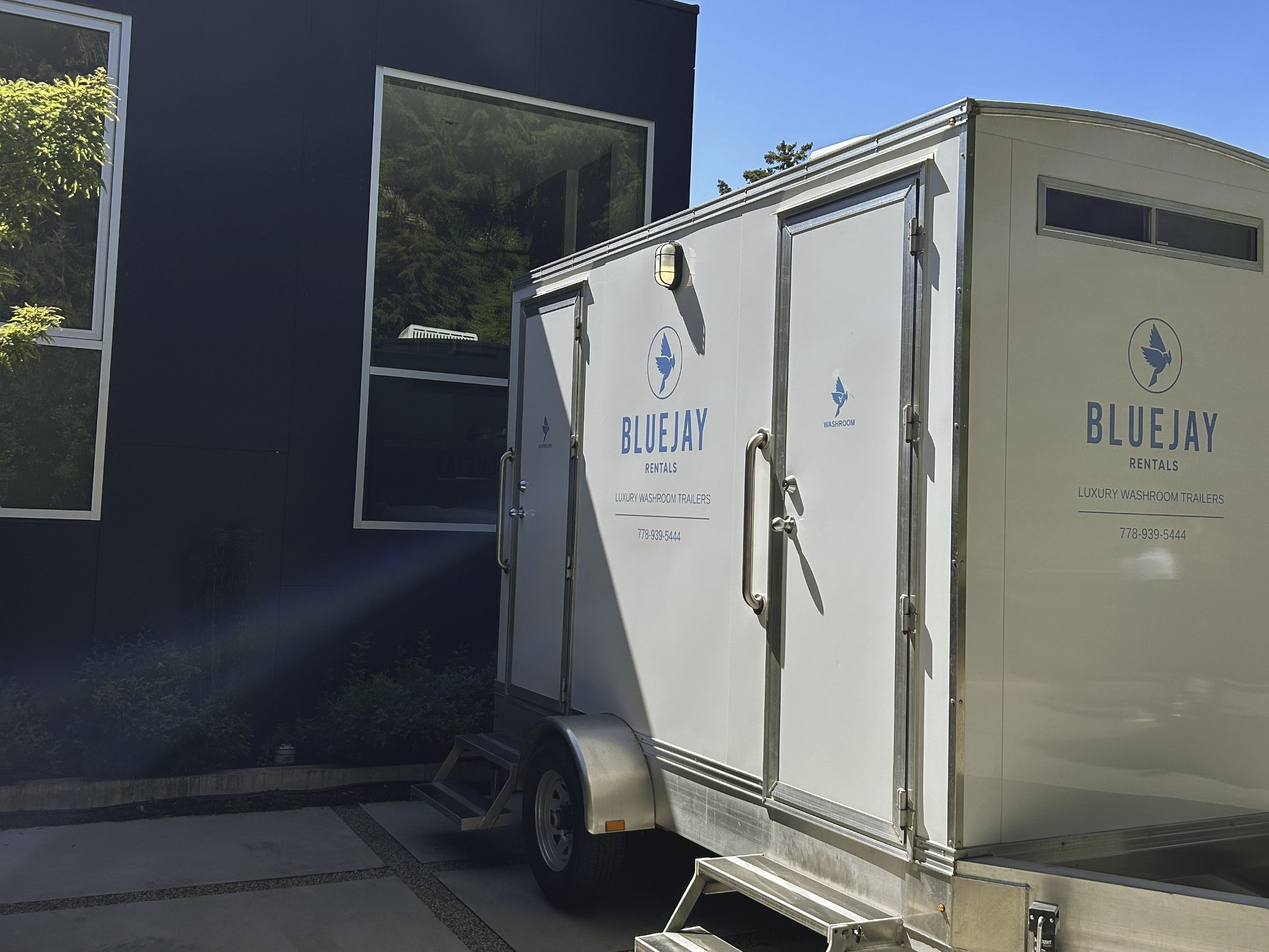
A mobile bathroom trailer can often connect to a regular garden hose, which makes setup easier for outdoor events, construction sites, weddings, and temporary work locations. Still, the hose is only one part of the system. Water pressure, temperature, drainage, and connection quality all affect how well the unit performs. A little planning before delivery can prevent weak faucets, frozen lines, leaks, and last-minute service problems.
Standard Hose Compatibility & Setup
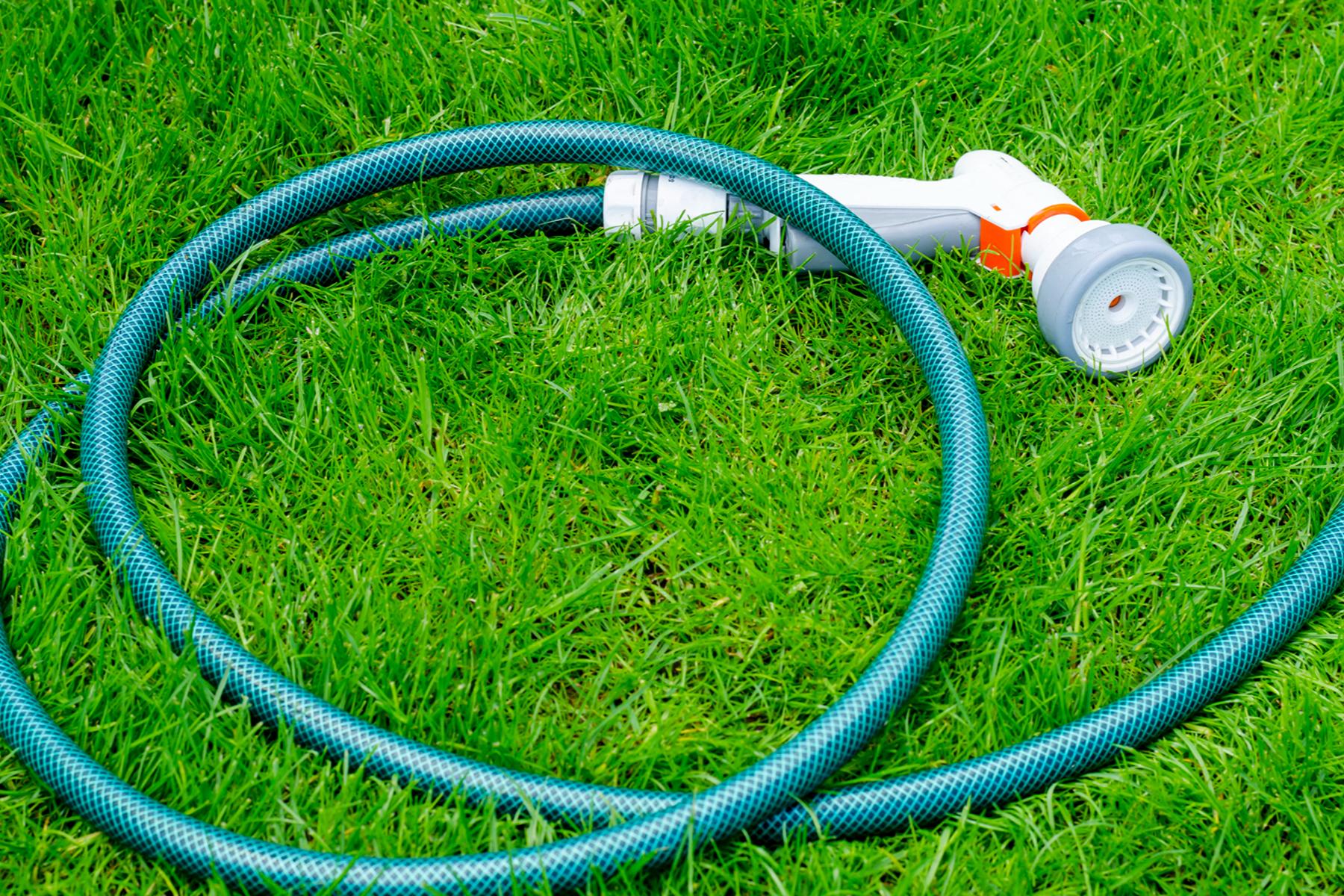
Most restroom trailers use a standard fresh-water inlet that works with a common garden hose. The connection usually resembles the outdoor spigot fitting found at a home or commercial building. Once the hose is attached, water feeds the sinks and toilets inside the unit. A rental provider may supply the hose, but customers should confirm this before delivery. Some locations also require a longer line, a splitter, or an adapter because the nearest faucet sits far from the parking area.
Use a clean hose made for potable water whenever possible. An old landscaping hose may contain dirt, algae, chemical residue, or an unpleasant rubber smell that can affect the water inside the trailer. Lay the line where vehicles, equipment, and guests will not crush or trip over it. Avoid sharp bends near the inlet, since a kink can reduce flow throughout the unit. Tighten the fitting by hand, check for drips, and test every fixture before the event begins.
Water Pressure & Flow Requirements
A working faucet does not always provide enough pressure for a busy washroom trailer. Several toilets and sinks may operate at the same time, especially during breaks, meal periods, or large gatherings. If the water supply delivers weak pressure, toilets may refill slowly and sinks may produce only a thin stream. A long hose can also reduce performance, particularly when it has a narrow diameter or runs uphill from the source.
Many units work best with steady pressure similar to what a typical building provides. Ask the rental company about the recommended range for the specific model, since larger trailers may need more flow than smaller ones. A pressure regulator can protect plumbing when the source runs too high, while an onboard holding tank or pump may help at sites with an unreliable supply. Testing the water before guests arrive gives the crew time to correct low flow instead of dealing with crowded lines later.
Winterizing Lines for Cold Weather
Cold weather changes the setup because exposed water lines can freeze much faster than people expect. A hose stretched across open ground may ice up overnight, even when daytime temperatures feel manageable. Frozen water expands inside fittings and pipes, which can crack connectors, damage valves, and stop the entire trailer from working. Wind can make the problem worse by pulling heat away from exposed sections.
Insulated hose covers, heat tape, and heated water lines can help protect the system during winter use. Keep connections off frozen ground when possible, and close gaps where cold air can reach the trailer’s plumbing area. The interior may also need a reliable power source to run heaters and protect tanks. Never assume the unit can handle freezing conditions without preparation. Tell the rental provider the expected overnight temperature so the crew can bring the right equipment and recommend a safe setup.
Waste Management Needs Separate Hookups
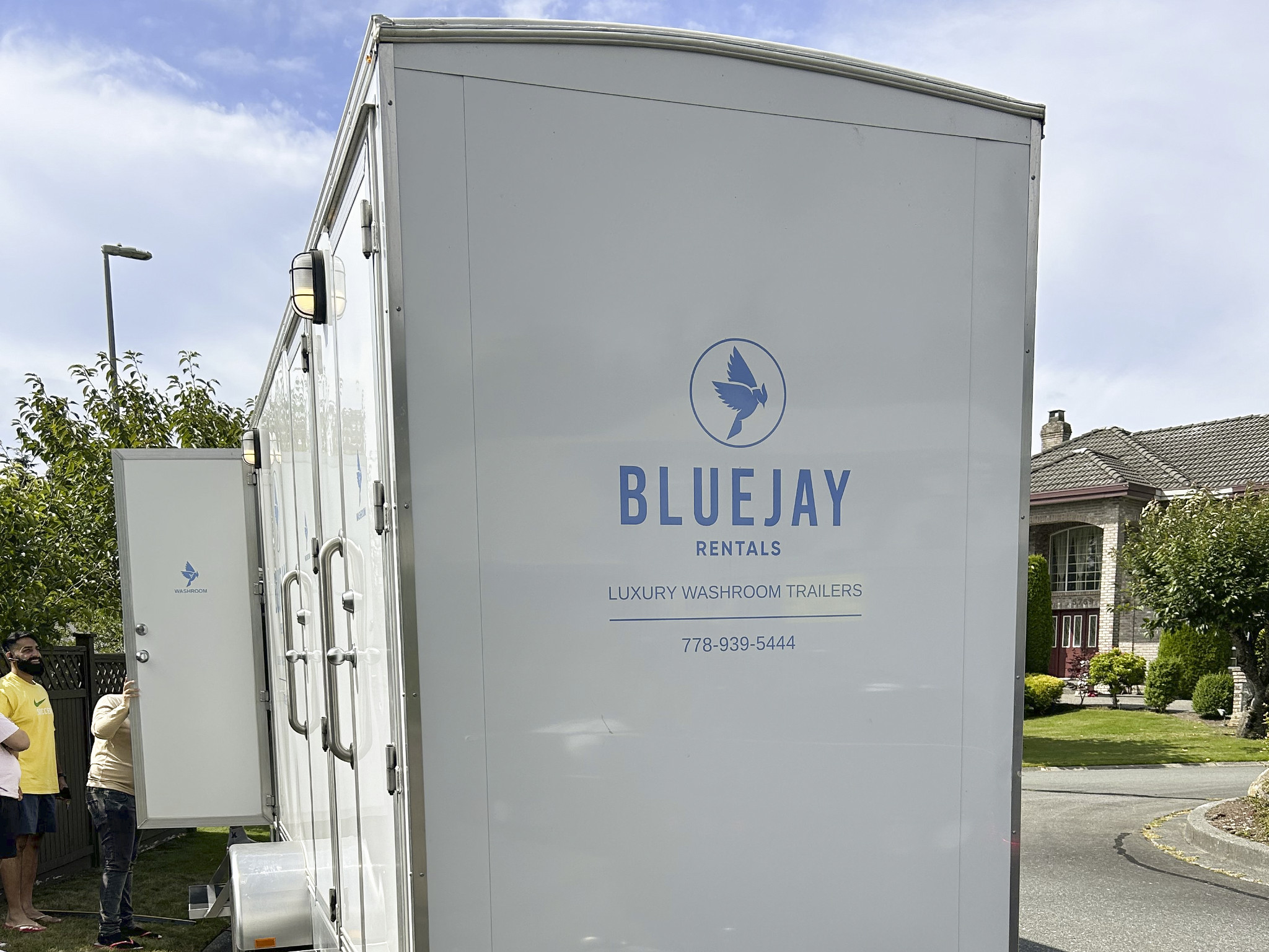
The fresh-water hose only supplies clean water. It does not remove waste from the trailer. Toilets and sinks drain into holding tanks or connect to an approved sewer or septic access point, depending on the model and the site. This distinction matters because a location may have an outdoor faucet but no suitable place for wastewater. A trailer can still operate with holding tanks, but those tanks have limits and may require pumping during longer rentals.
Waste service should match the number of users, the rental length, and the expected traffic. A small private event places far less demand on the system than a multi-day festival or active construction project. Placing the trailer close to an accessible service area helps technicians pump the tanks without crossing crowded spaces or soft ground. Customers should never run waste into a storm drain, field, or makeshift pipe. The rental team can review the site and arrange proper removal before capacity becomes a concern.
Bluejay Rentals Makes Washroom Trailer Setup Easier From the First Connection to the Final Pickup
A successful rental starts with more than choosing the right trailer size. The site needs a dependable water source, safe electrical access, enough space for delivery, and a practical waste plan. Bluejay Rentals helps event planners, contractors, venue managers, and property owners sort through those details before the unit arrives. That support can save hours of troubleshooting and keep guests, workers, and crews comfortable throughout the rental period.
Whether you need facilities for a wedding, renovation, seasonal project, emergency site, or large public event, Bluejay Rentals can help you plan a clean and reliable setup. Share the site layout, guest count, weather conditions, and available utilities with the team so they can recommend the right solution. Contact us to discuss your schedule, delivery needs, and washroom trailer options.