
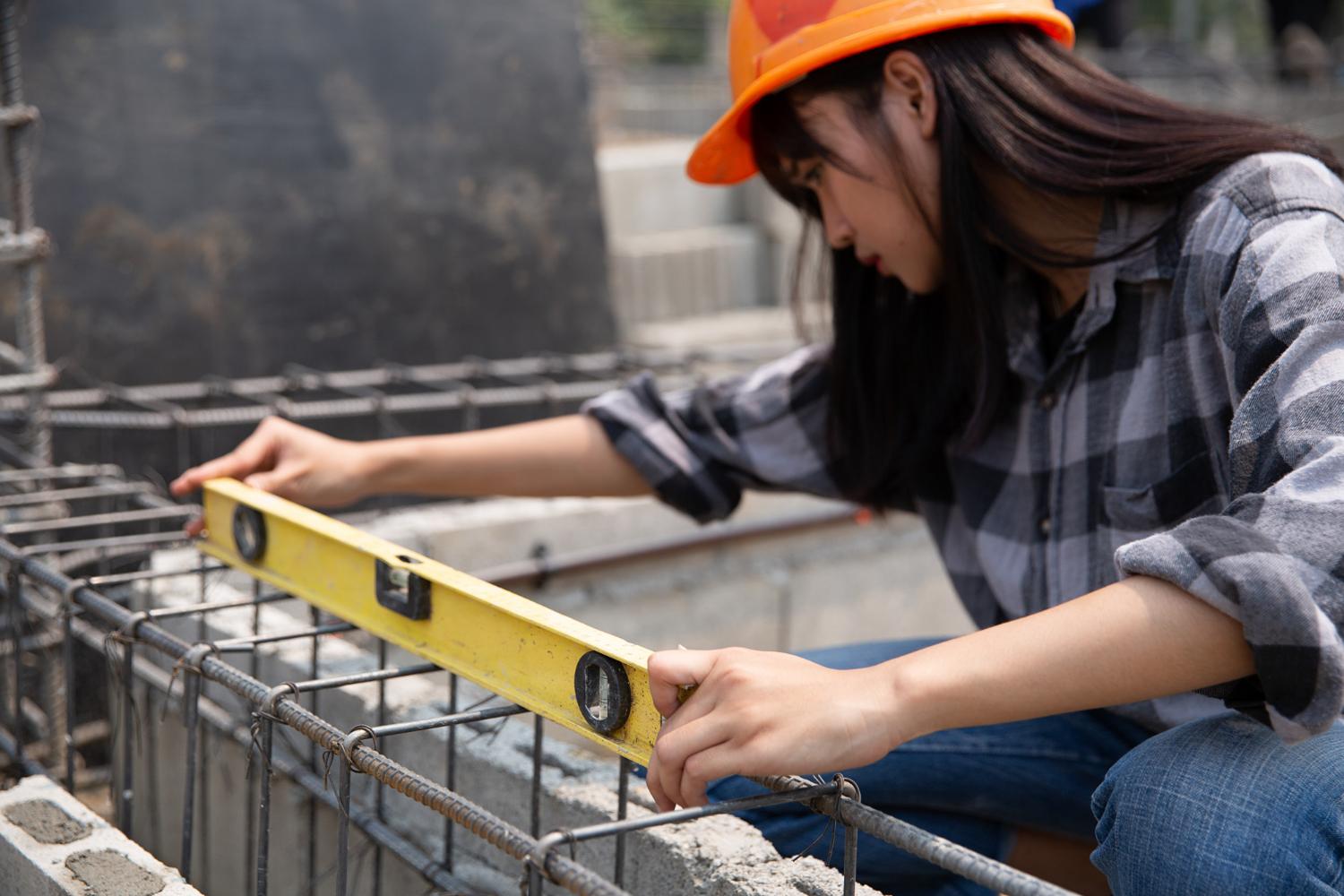
A portable toilet tucked in the corner of a busy job site is no longer enough for many B.C. construction projects. Since October 1, 2024, sites that meet the worker threshold have had stricter washroom requirements. For contractors and site managers, compliance now involves the toilet itself, handwashing, cleanliness, access, and records.
What Changed in WorkSafeBC’s Construction Site Washroom Requirements
B.C.’s Occupational Health and Safety Regulation now requires employers at specified construction sites to make a sufficient number of flush toilets readily available. The change applies when 25 or more workers will be present at any point during the construction project.
The rules go further than swapping one toilet for another. Facilities must include nearby handwashing, privacy, ventilation, lighting, required supplies, and regular cleaning. Employers also need records showing that maintenance and sanitation have been carried out.
Why WorkSafeBC Introduced Flush Toilet Requirements for Construction Sites
The change followed years of concerns from workers about poor washroom conditions. The provincial government described the issue as one involving health, safety, and basic dignity rather than simply comfort on the job.
Industry recruitment was another consideration. When announcing the regulations, the province said improved facilities could help construction employers attract and retain workers, including women. WorkSafeBC consulted employers, associations, unions, workers, and worker advocates before the requirements took effect.
Which BC Construction Sites Need to Provide Flush Toilets
The key number is 25. A specified construction site is one where at least 25 workers will be present at any time during the project. Importantly, this is not simply a count of who happens to be working there on inspection day.
WorkSafeBC says employers should determine the expected worker count at the beginning. If the project reaches the threshold at any stage, the requirements apply throughout its duration. Short-term visitors such as delivery drivers, regulators, and emergency responders do not count toward that total.
What Contractors Need to Know About Acceptable Washroom Facilities
A compliant flush toilet can connect to a sanitary sewer or holding tank. It must have a bowl separated from that system by a trap or positive seal, with waste removed using clean water or a clean-water-and-chemical mixture.
There is an exception when providing this type of facility is not practicable. In that situation, chemical or other toilets may be used, but contractors cannot simply choose the easier option. WorkSafeBC expects practicability to be assessed according to the actual conditions on the project.
How Cleaning, Handwashing, and Maintenance Factor Into Compliance
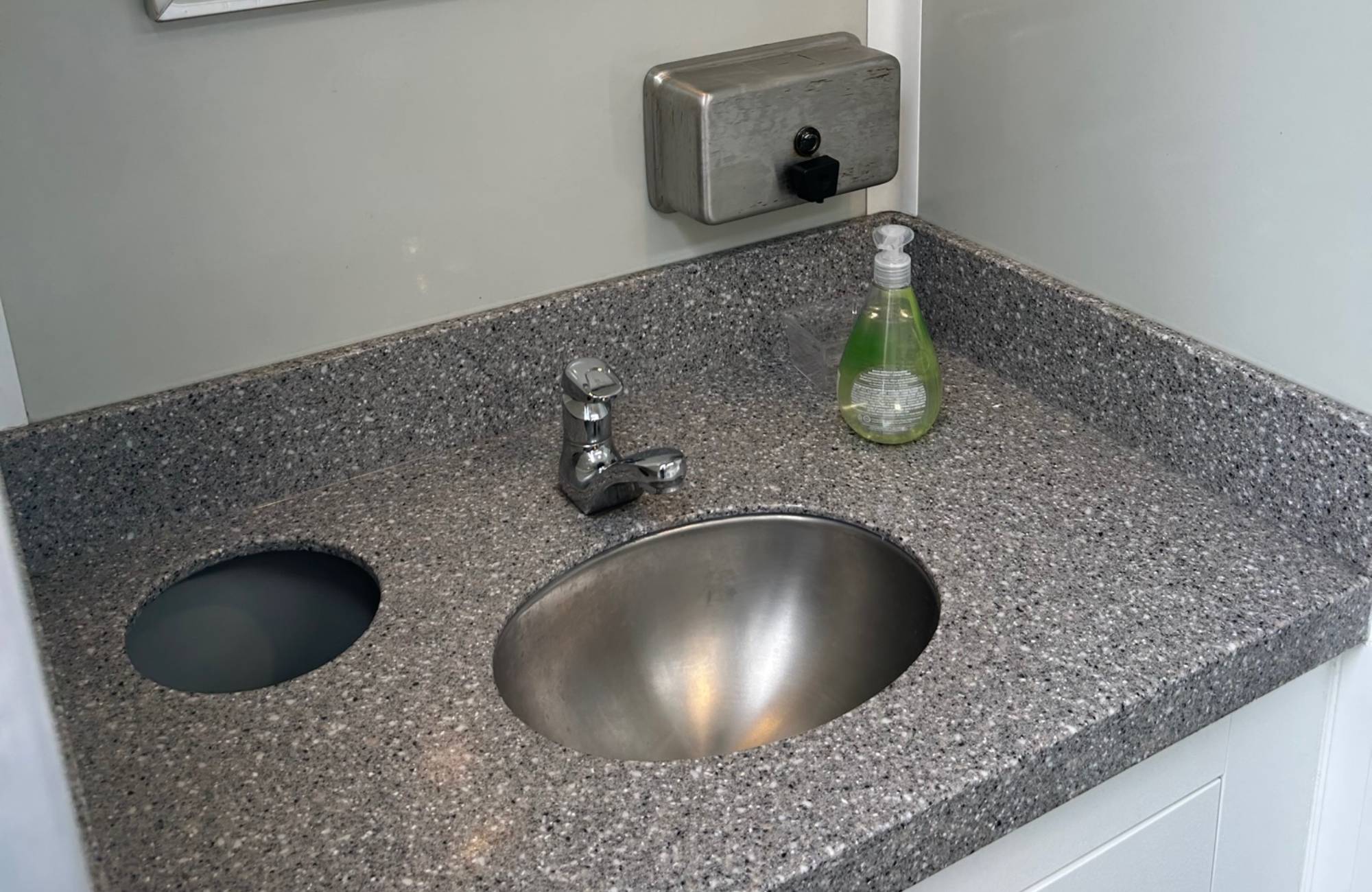
Installing the trailer is only the beginning. Washrooms must remain operational, sanitary, stocked, private, illuminated, and ventilated. Heating is also required when heating the enclosed space is practicable. Handwashing must be available inside or close to the toilet area.
Cleaning cannot be treated as an occasional reaction to complaints. Maintenance and sanitation need to happen as frequently as necessary, and employers must keep records covering at least the most recent 30 days. Those records should be available if a WorkSafeBC prevention officer requests them.
Who Is Responsible for Meeting the New Requirements on Site
Employers carry responsibility for ensuring workers have suitable facilities. On projects involving multiple employers, however, the duties also apply to the prime contractor, making washroom planning part of overall site coordination rather than something each trade handles independently.
The job also changes as construction moves forward. Flush facilities might not be practical during early excavation but become realistic later. WorkSafeBC therefore expects the project to be reviewed regularly rather than relying on one decision made during mobilization.
How Site Managers Can Prepare for Inspections and Avoid Compliance Issues
Start planning before crews arrive. Confirm the maximum expected headcount, decide where facilities can be placed, arrange servicing, and make sure workers can reach them easily. WorkSafeBC guidance generally interprets “readily available” as no more than about 60 metres of walking distance from the work area.
Then make washroom checks part of normal site management. Keep cleaning logs current, address broken fixtures quickly, replenish supplies, and reassess placement as work areas move. A good setup should still meet the regulation months into the project, not just on installation day.
Keep Your BC Construction Site Ready for the Crew and Compliance Requirements With Bluejay Rental
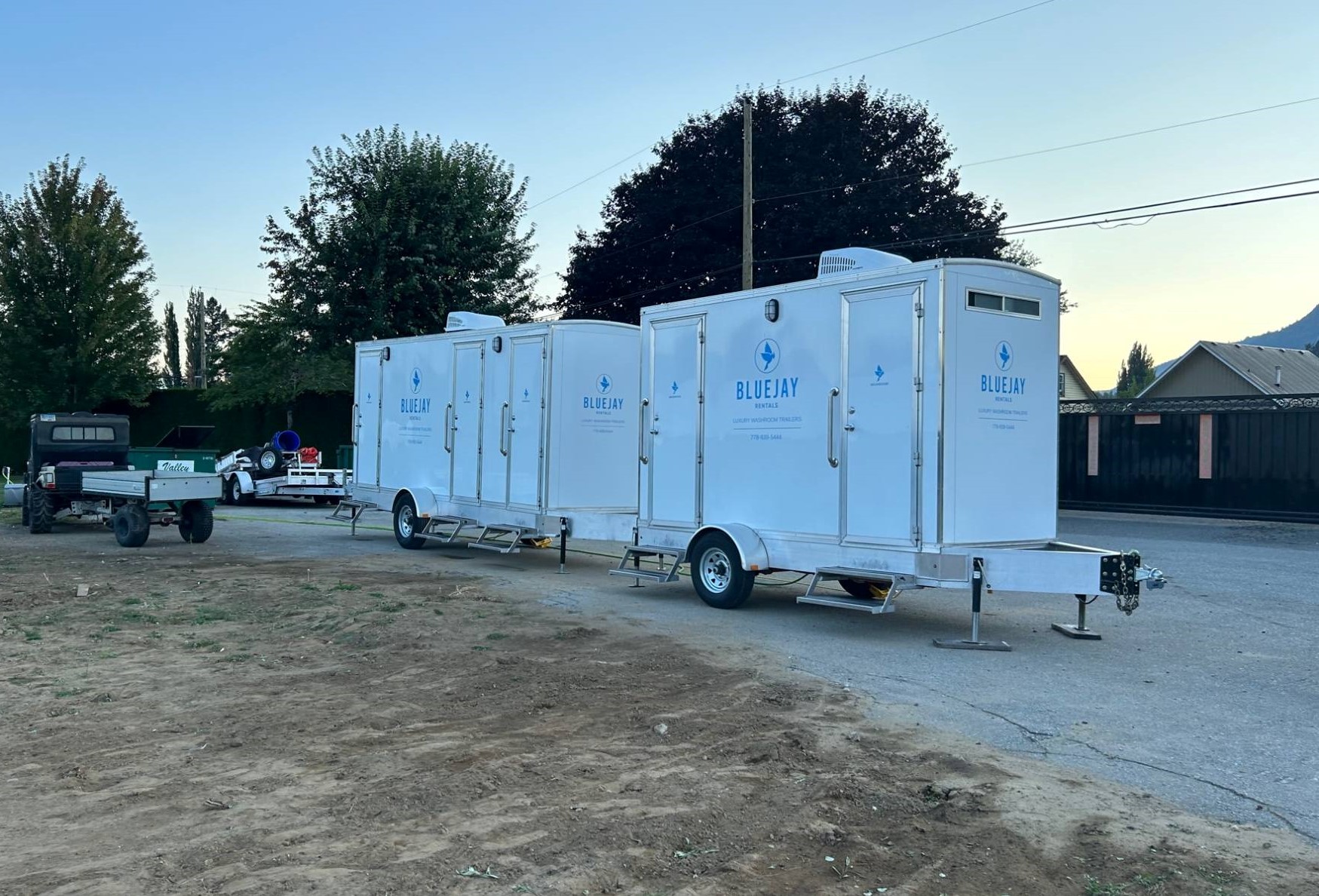
Bluejay Rental offers flushable construction washroom trailers designed for long-term job-site use in B.C. Its construction units provide running water and handwashing facilities, while the company also offers regular cleaning and sanitation, setup, relocation support, and end-of-use removal.
For a busy site manager, arranging the right facilities early removes one more compliance headache from an already long list. Whether you are planning a new project or upgrading an active site to meet current requirements, Bluejay Rental can help determine a suitable washroom setup for your crew. Contact us to discuss your construction site rental needs.
Frequently Asked Questions:
1. Does Bluejay Rental Offer Flushable Washroom Trailers for Construction Sites?
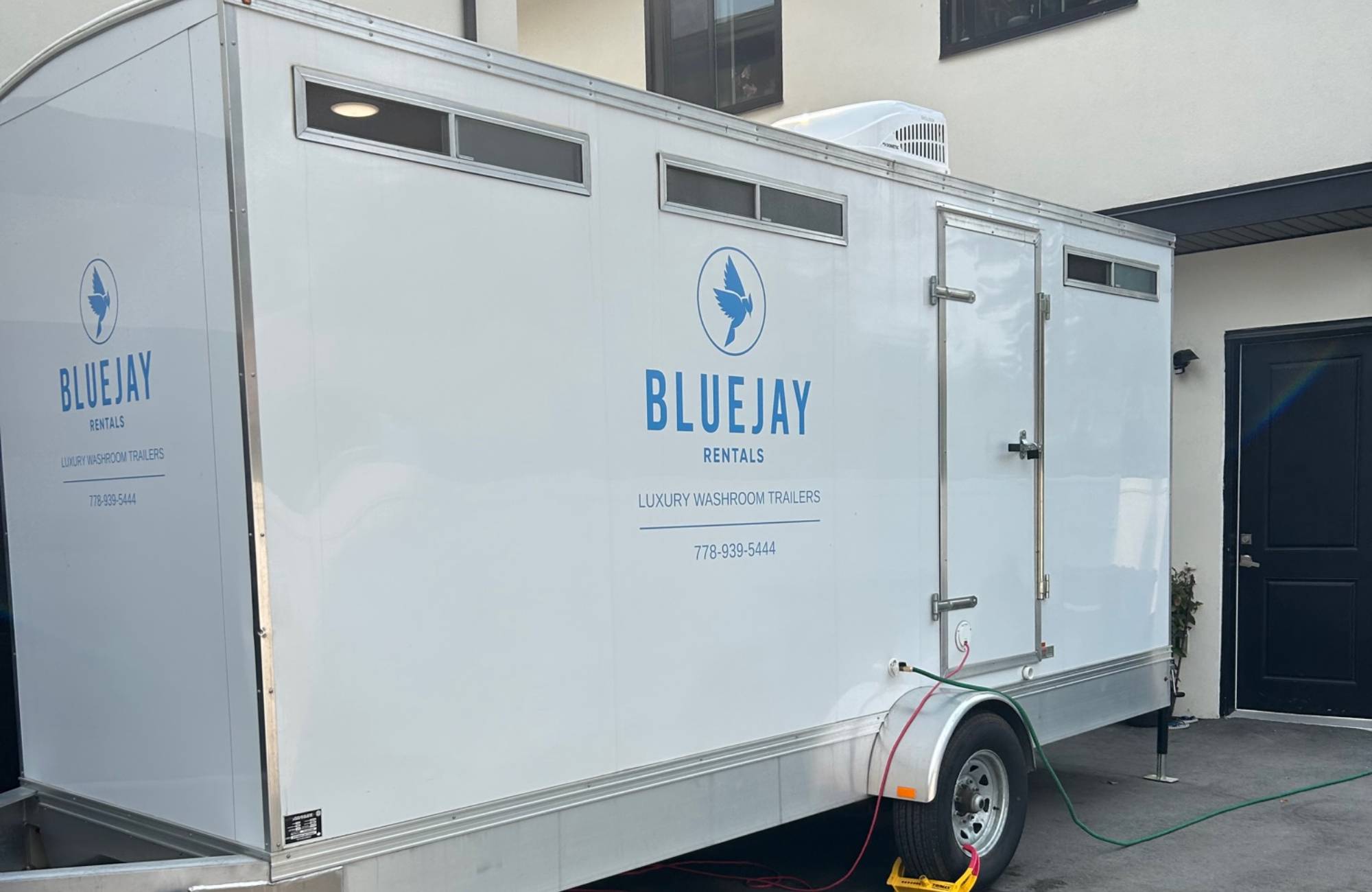
Yes. Bluejay Rental provides flushable portable washroom trailers specifically for construction sites in B.C. Our units include running water and handwashing facilities, giving contractors an alternative to traditional portable toilets when planning around current site requirements.
2. Does Bluejay Rental Offer Long-Term Rentals for Construction Projects?
Yes. Bluejay Rental offers daily, weekly, monthly, and longer-term rental options. Our construction service is designed to accommodate projects that need washroom facilities for extended periods rather than just a short event or temporary visit.
3. Does Bluejay Rental Clean and Service Its Construction Washroom Trailers?
Yes. Regular cleaning and sanitation are available as part of Bluejay Rental’s construction services. We also provide pump-out and fresh-water services for long-term rentals, helping site managers keep facilities usable and sanitary throughout a project.
4. What If a Construction Site Does Not Have Water or Power Available?
Bluejay Rental’s trailers can use onboard fresh-water holding tanks when a direct water connection is unavailable. Our units normally require two standard 110-volt, 15-amp electrical outlets, and we can provide or advise on generator options for longer-term use when site power is limited.
5. Does Bluejay Rental Handle Delivery, Setup, and Removal?
Yes. Bluejay Rental provides delivery and setup rather than requiring customers to move the units themselves. Our construction service also includes easy relocation support and end-of-use cleanup and removal, which can be useful as access and work areas change during different stages of a project.