
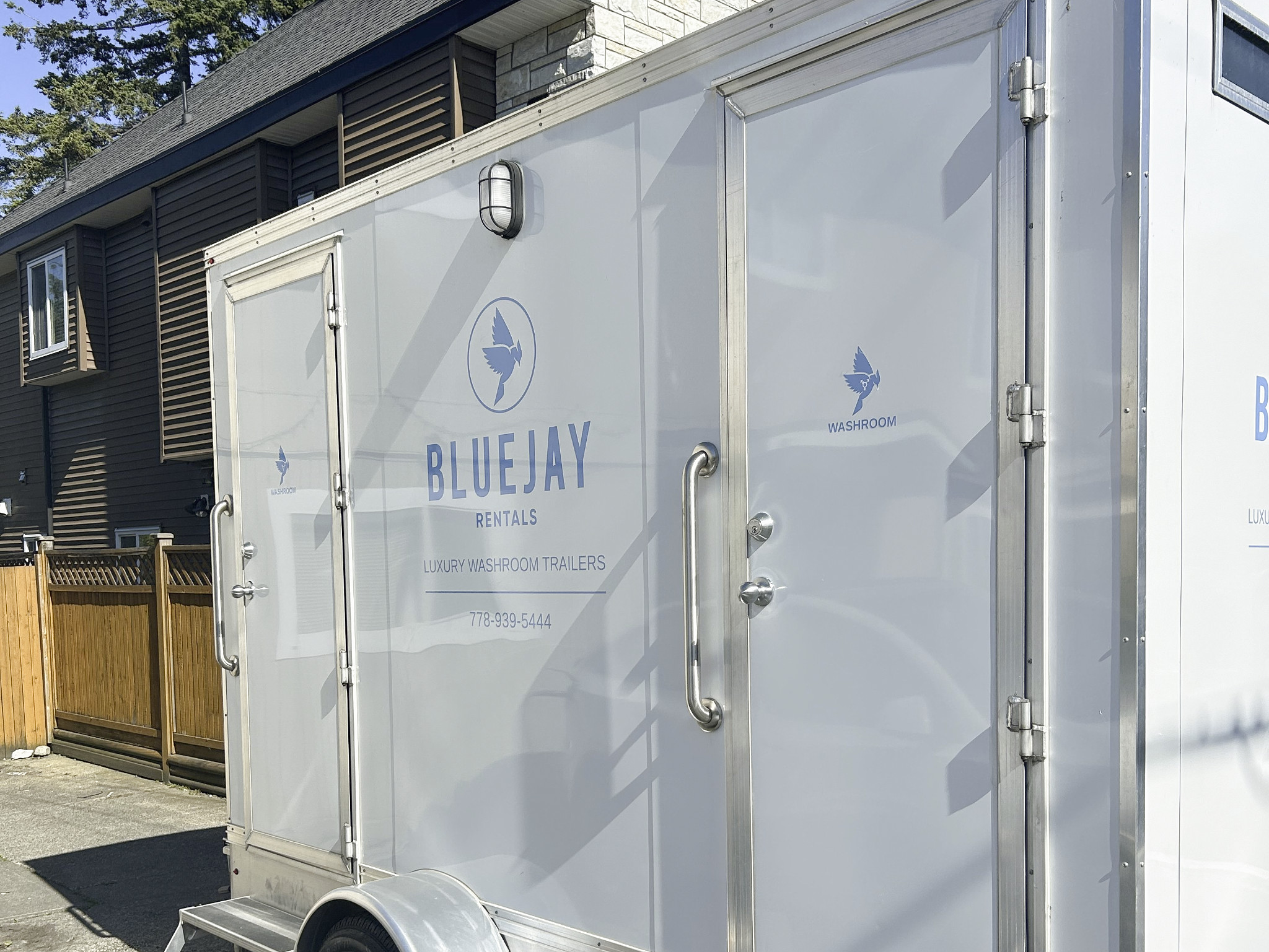
A washroom trailer may stay on a construction site for months, but its service needs rarely stay the same for that entire time. Crew numbers change, schedules get busier, supplies disappear faster than expected, and waste tanks keep filling. For site managers, the smartest approach is to plan pump-outs, cleaning, and restocking as part of the rental budget from day one instead of waiting for a problem.
Crew Size Has the Biggest Impact on Service Frequency
A trailer serving twelve workers will have a very different workload from one used by forty or fifty people. More workers mean more flushes, more handwashing, faster waste accumulation, and heavier use of toilet paper, soap, and paper products. Even a large trailer can need frequent attention when everyone on the site depends on the same facilities throughout a full workday.
Head count should also include people who are not part of the permanent crew. Subcontractors, inspectors, delivery teams, and temporary workers can increase daily traffic without appearing on the original staffing plan. Site managers should revisit usage whenever the workforce grows rather than assuming the service schedule agreed on at the start will still work three months later.
Pump-Out Schedules Change as Site Traffic Increases
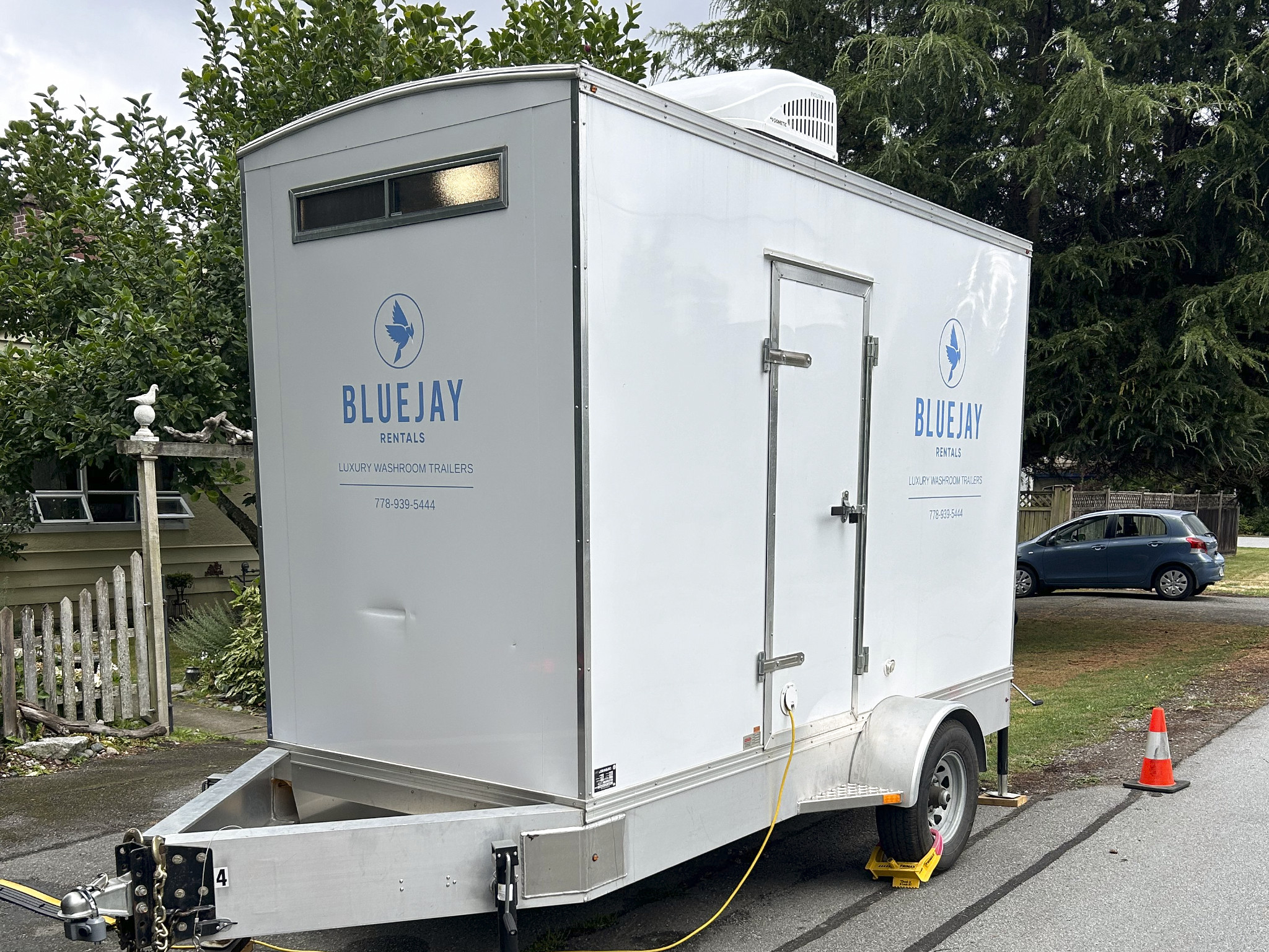
Waste capacity is one of the most important numbers to understand during a long rental. The right pump-out interval depends on tank size, the number of users, working hours, and how often the facilities are used. Waiting until a tank is nearly full leaves very little room for an unexpectedly busy day or a delayed service visit.
A better plan builds in some breathing room. If a major phase of construction is bringing extra trades onto the property, servicing may need to happen sooner than usual. Watching usage patterns during the first few weeks can help site managers settle into a schedule that fits the actual job instead of relying on a rough estimate made before work began.
Busy Workweeks Can Require More Frequent Servicing
Construction rarely moves at the same pace from start to finish. Some weeks have a relatively small crew handling specialized work. Others bring several trades onto the site at once, longer shifts, weekend work, or deadlines that keep people there well into the evening. Washroom use can climb quickly during those periods.
That is why a fixed service interval should not become untouchable. If framing, electrical, drywall, and mechanical crews suddenly overlap, the trailer may need attention earlier than it did during a quieter phase. Adjusting the schedule for these peaks can be cheaper and easier than dealing with an overloaded unit in the middle of a busy workday.
Weather and Site Conditions Can Affect Maintenance Needs
Hot weather can make odours and interior cleanliness more noticeable, while cold conditions create a different set of concerns around water systems and general operation. Muddy jobsites also lead to more dirt being tracked inside, especially when crews enter in work boots throughout the day. The trailer may need cleaning even when the tanks themselves are nowhere near capacity.
Location matters too. A unit positioned far from easy service access can require more planning than one beside a clear roadway. Snow, soft ground, moving equipment, stored materials, or temporary fencing can interfere with access as the project develops. Keeping a clear service route saves time and helps prevent an ordinary maintenance visit from becoming a site logistics problem.
Supply Use Adds Up Faster on Multi-Month Rentals
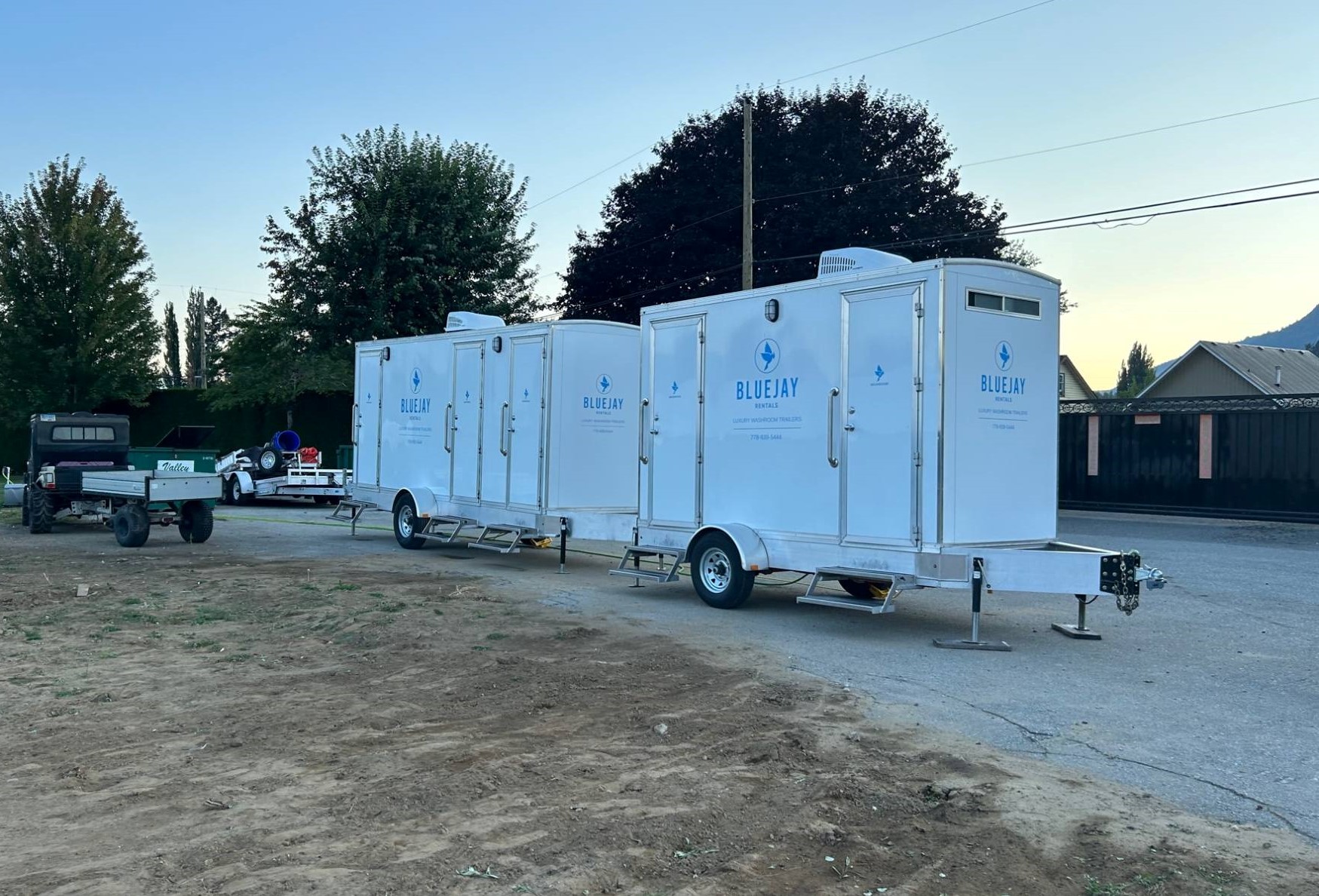
Small consumables can become real budget items over a six-month or year-long project. A few rolls of paper and bottles of soap may not seem worth tracking during the first week, but repeated use across dozens of workers changes the picture. The same applies to cleaning visits, fresh-water needs, and waste removal.
Site managers can avoid surprises by separating the rental cost from ongoing service costs when building the budget. Estimate expected pump-outs and restocking, then leave room for heavier use. Multi-month planning works much better when there is a service allowance available instead of treating every additional visit as an unexpected expense.
Regular Service Helps Prevent Mid-Project Washroom Problems
A good service schedule does more than empty tanks. Routine visits create opportunities to catch smaller issues before they disrupt the crew. A loose fixture, slow drain, empty dispenser, unusual odour, or changing water level is easier to address during scheduled maintenance than after workers begin reporting that something is wrong.
Consistency also makes the facility easier for everyone to respect. Workers are more likely to keep a clean washroom in good condition when it stays stocked and maintained. On a project lasting several months, that reliability matters. The trailer becomes part of the jobsite infrastructure rather than another piece of equipment that only gets attention when it stops working.
Long Projects Need Restocking Built Into the Rental Plan
Pump-outs get most of the attention, but a trailer can become frustrating long before its waste tank fills. Toilet paper, hand soap, paper towels, and other basic supplies disappear steadily throughout the week. Running short on something as simple as soap can turn an otherwise functioning facility into a complaint for the entire crew.
Restocking should therefore be treated as routine site maintenance rather than an emergency purchase. Site managers can estimate normal weekly consumption and keep a small reserve for heavier periods. Bluejay Rentals offers long-term construction washroom rentals along with regular cleaning and sanitation services, making scheduled upkeep easier to plan into an extended project.
Bluejay Rentals Helps Site Managers Plan Long-Term Washroom Service Without the Mid-Project Guesswork
A multi-month washroom rental should be planned around more than the monthly trailer rate. Crew size, expected site traffic, pump-outs, cleaning, water needs, and supply usage all affect the real cost of keeping the facility working. Building those needs into the project schedule early makes it much easier to manage changes as different trades arrive and the pace of work increases.
Bluejay Rentals provides construction washroom trailers and long-term rental options for B.C. jobsites, with regular cleaning and sanitation as well as pump-out and fresh-water services available for extended rentals. If you are budgeting facilities for a project that will run for several months, contact us at Bluejay Rentals to discuss your crew size, project length, and expected service needs before the trailer arrives.
Frequently Asked Questions
Can Bluejay Rentals provide washroom trailers for long-term construction projects?
Yes. Bluejay Rentals offers washroom trailer rentals that can work for extended construction schedules. Site managers can plan the rental around the expected project length, crew size, and servicing needs.
Does Bluejay Rentals handle pump-outs and regular servicing?
Yes. Bluejay Rentals can provide ongoing service for construction washroom trailers, including waste pump-outs, cleaning, sanitation, and other routine maintenance needed during longer rentals.
How often should a Bluejay Rentals washroom trailer be serviced?
The schedule depends on factors such as crew size, daily use, tank capacity, shift length, and site conditions. Larger crews or busier phases of construction may need more frequent service than quieter periods.
Can Bluejay Rentals help plan service frequency before the project starts?
Yes. Site managers can discuss expected usage, project duration, and workforce size before the rental begins. This makes it easier to budget for pump-outs, restocking, and regular servicing instead of reacting to problems later.