
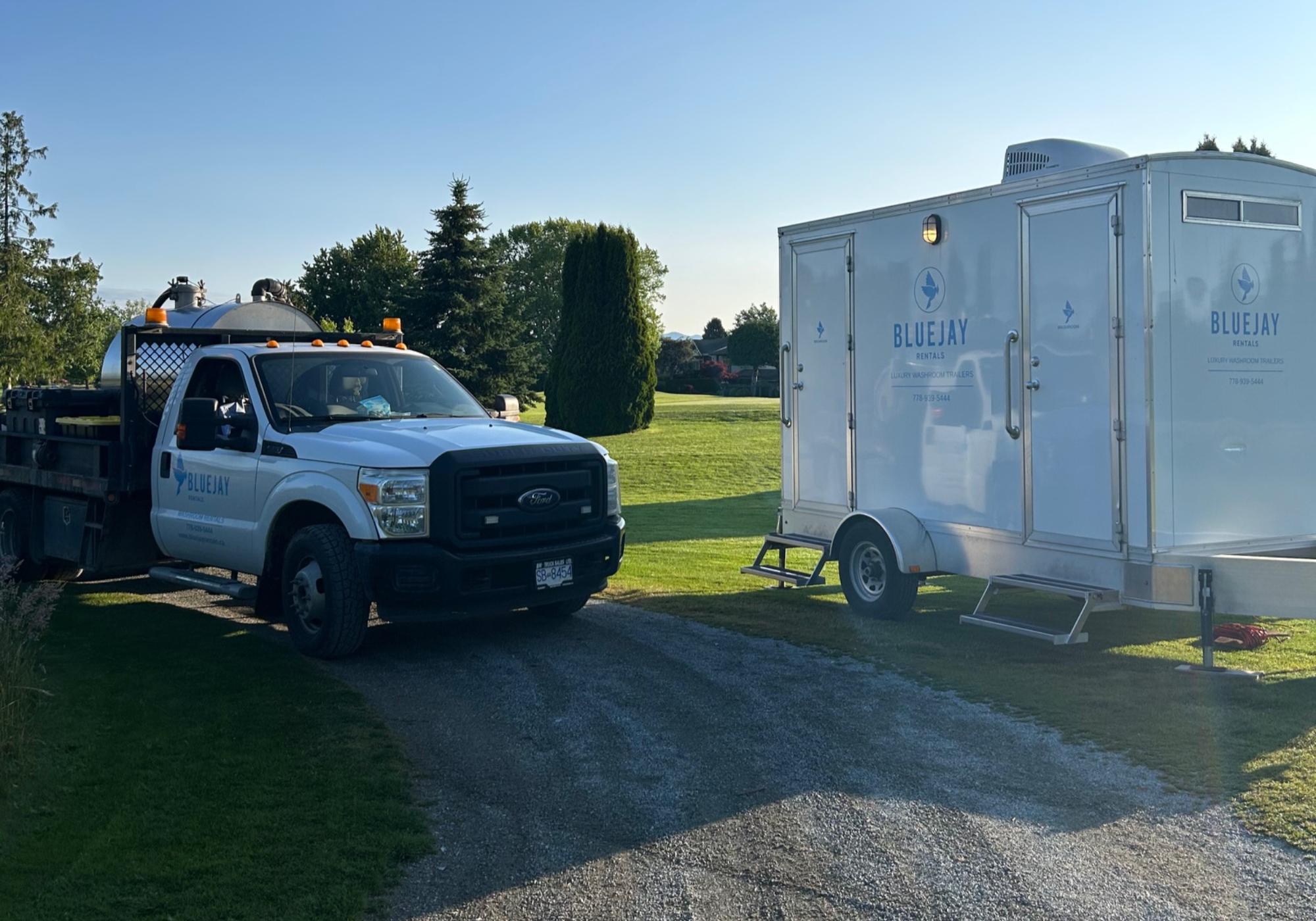
Jobsite logistics rarely get the spotlight, yet they quietly shape how smooth a project runs. One overlooked detail—restroom planning—can affect morale, safety, inspections, and even schedule performance. For contractors managing long-term developments, a clear checklist for washroom rentals keeps crews focused on building instead of searching for basic necessities.
Plan Washroom Rentals Based on Crew Size and Shift Hours
Start with numbers, not guesses. Count the average daily crew, then factor in peak days when subcontractors overlap. A small framing team requires fewer units than a fully staffed concrete, electrical, and plumbing phase. Long-term construction sites often run multiple shifts, which increases usage per unit. If night crews rotate in, washroom rentals must handle double the traffic without compromising cleanliness.
Shift patterns matter just as much as headcount. Ten workers over ten hours place different demand on worksite toilets than twenty workers over two overlapping shifts. Developers should also consider break schedules. If everyone stops at once, lines form quickly and productivity drops. Planning unit quantity around real work patterns prevents frustration and keeps crews moving efficiently across the site.
Place Worksite Toilets Where Crews Can Reach Them Fast
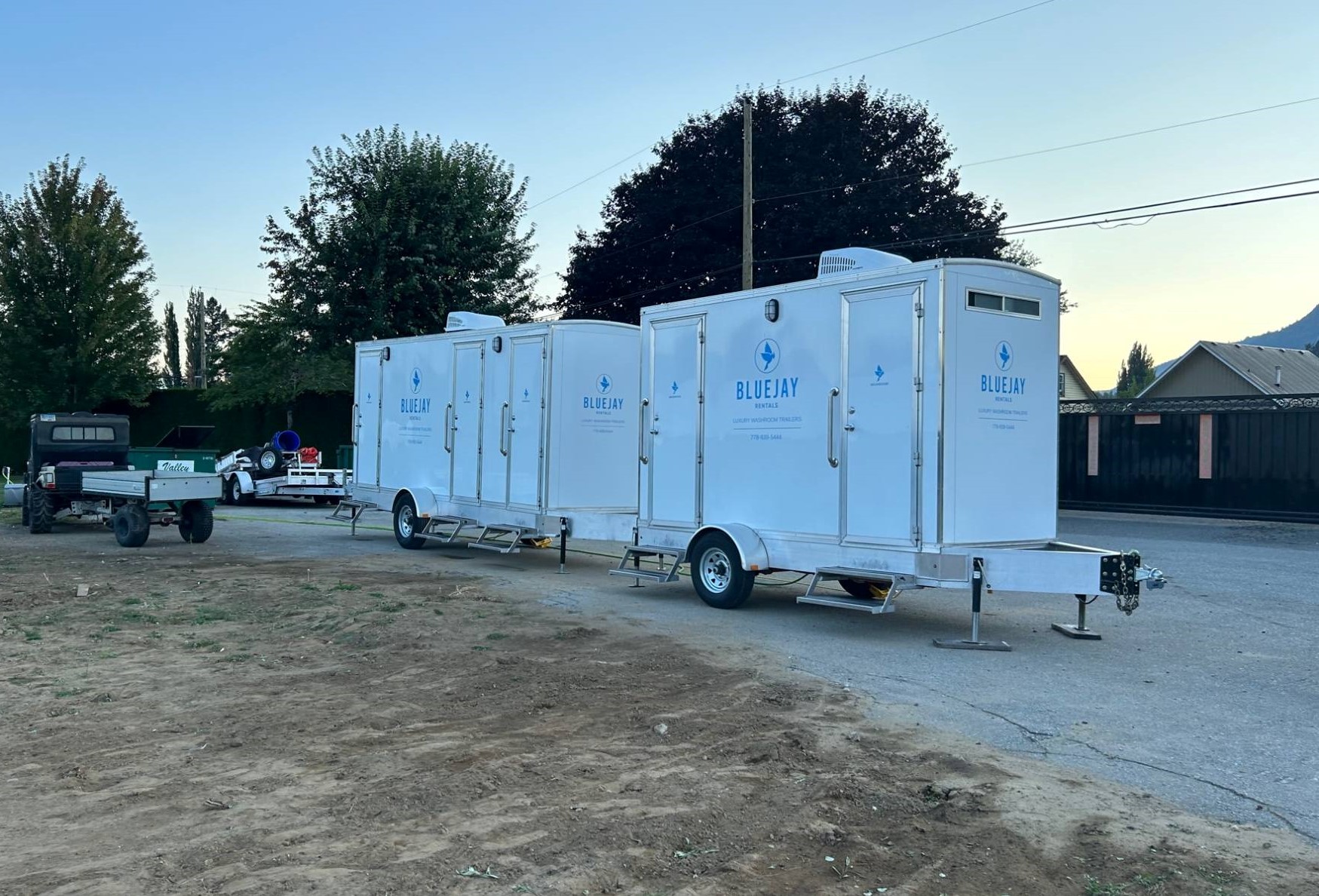
Time adds up quickly on busy construction sites. If a crew member has to walk across the entire property, around materials, and past active equipment just to reach worksite toilets, that trip may take five to seven minutes each way. Multiply that by dozens of workers and multiple breaks a day, and productivity quietly slips away. Smart placement keeps washroom rentals within a reasonable walking distance of active work zones without interfering with site operations. Crews should not have to choose between convenience and safety. A well-positioned unit supports steady workflow and reduces unnecessary downtime.
Thoughtful positioning also protects morale. Workers who feel that basic needs are considered tend to stay focused and maintain a stronger pace throughout the day. Placing units near high-activity zones during framing or concrete phases, then relocating them as developments progress, shows attention to how the job evolves. Access matters in bad weather as well. Muddy paths, steep grades, or blocked routes can discourage use or create safety hazards.
Add Extra Units for Large Developments and Long Phases
Large developments rarely stay static. One month you may have grading crews and utility teams on site, and the next month you are coordinating framers, concrete workers, electricians, and inspectors all at once. That shift in manpower increases daily restroom use fast. Planning for the minimum number of units might meet basic guidelines, but it rarely supports real-world jobsite conditions. Adding extra washroom rentals during heavy labor phases prevents long wait times, reduces foot traffic congestion, and keeps crews focused on their assignments instead of lining up for worksite toilets.
Extended project timelines also change how equipment holds up over time. Units placed on construction sites for several months experience steady wear, weather exposure, and higher service demand. During major milestones—such as slab pours, roofing stages, or large material deliveries—crew size often spikes temporarily. Having additional units already in place absorbs that surge without straining sanitation standards. Developers who plan ahead for growth phases protect productivity, maintain cleaner conditions, and show their workforce that comfort and efficiency matter just as much as meeting the build schedule.
Check Local Rules Before Placing Units on Job Lots
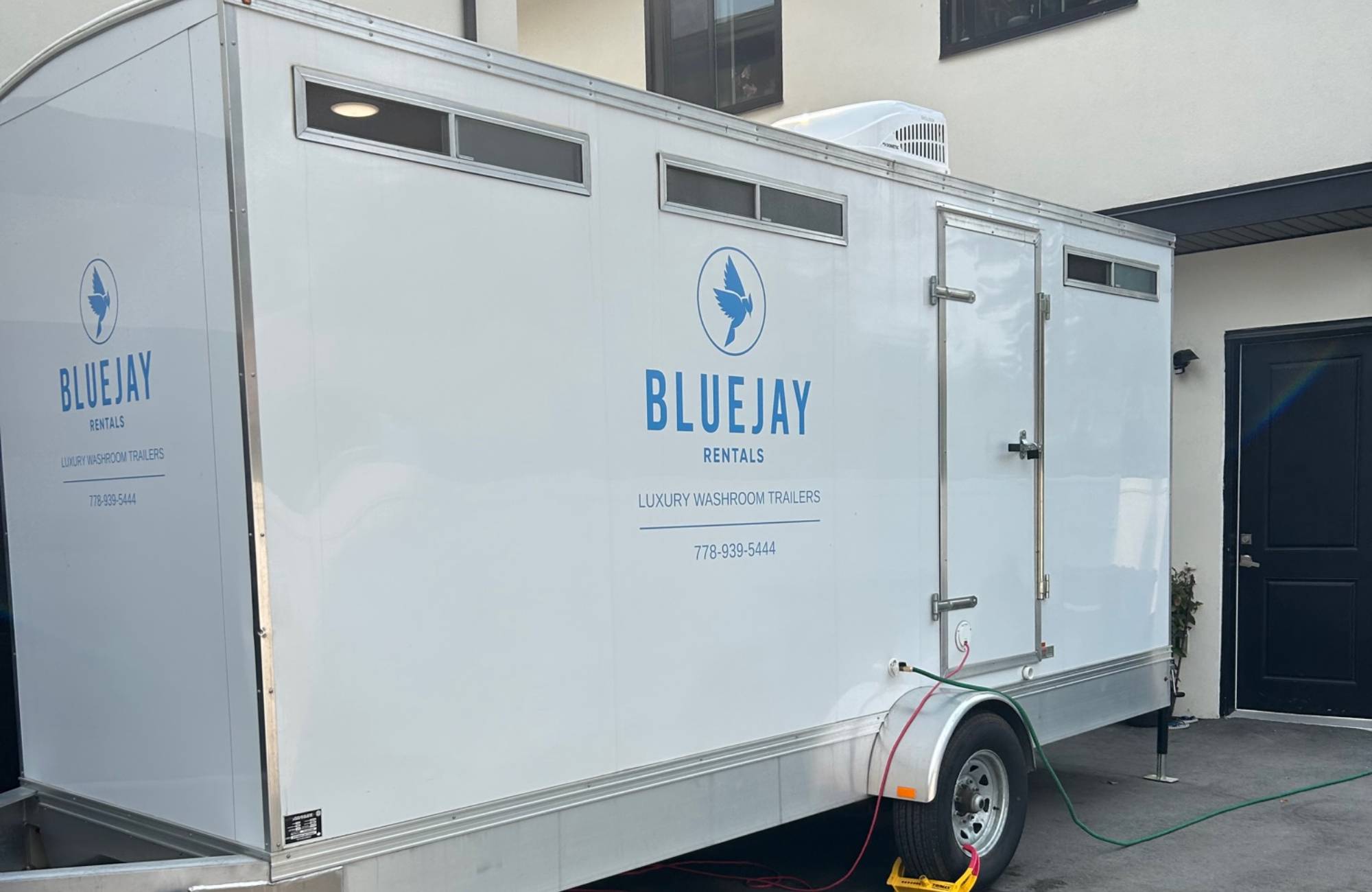
Municipal requirements vary more than expected. Some cities regulate placement distances from sidewalks, storm drains, or property lines. Others require specific anchoring methods or screening for visibility. Developers should confirm local guidelines before finalizing washroom rentals to avoid citations or forced relocation.
Building inspectors may also review sanitation provisions during site visits. Proper documentation and compliant placement prevent delays. Renovation contractors working in urban neighborhoods often face tighter restrictions than open-field developments. Early communication with local authorities protects timelines and keeps projects on track.
Set Rentals Early for Renovation Contractors on Tight Timelines
Renovation contractors rarely have extra time built into their schedules. Jobs move fast, and every phase depends on the one before it. Locking in washroom rentals early keeps things from stalling before work even begins. Renovations usually roll through demolition, framing, mechanical updates, and finish work in tight succession, with different crews rotating in and out. If proper sanitation is not ready on day one, crews may be delayed or forced to leave the site. Securing rentals during pre-construction ensures everything is in place before the first tool comes out, preventing lost days and compliance issues that can quickly derail a timeline.
Early setup also solves practical problems that come with remodeling existing spaces. In many renovation projects, original plumbing is shut off, removed, or off-limits to protect the property. Contractors cannot rely on interior bathrooms, especially in occupied homes or commercial buildings. Having dedicated facilities on-site keeps workers comfortable without disrupting clients or tenants. Planning ahead avoids awkward workarounds and keeps the project running smoothly from the start.
Review Unit Count As Crews Grow on Active Projects
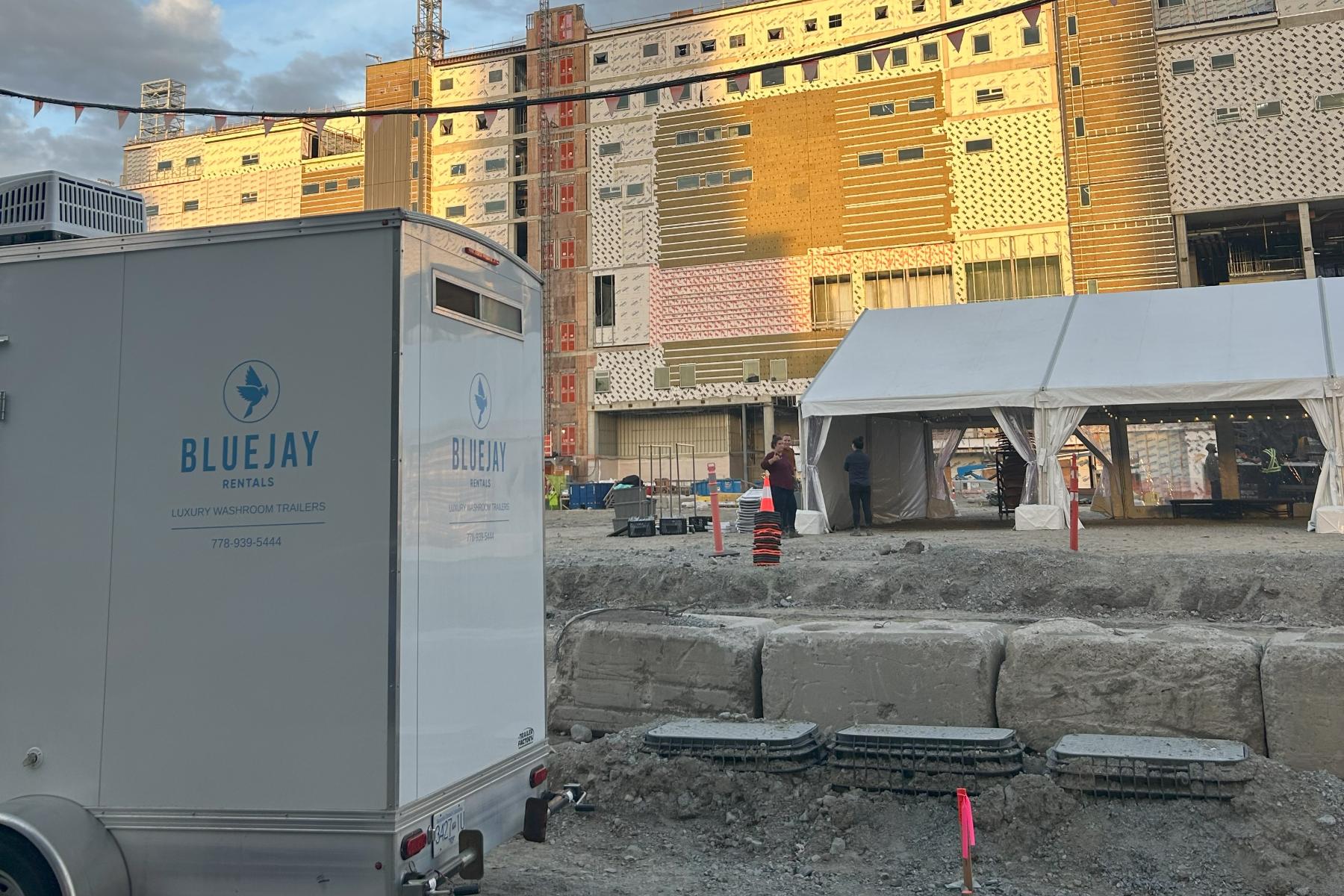
Projects evolve. What starts with grading and utilities can expand into full structural crews, specialty trades, and finishing teams. Developers should review washroom rentals periodically instead of assuming initial counts remain sufficient. Growth phases require quick adjustments to maintain clean, accessible worksite toilets.
Regular check-ins with supervisors reveal real-time usage patterns. If lines form during peak hours, additional units may be necessary. Construction sites that adjust proactively maintain better morale and avoid sanitation issues. A flexible rental plan supports smooth progress from groundbreaking to final inspection.
Build Smarter Projects with Reliable Washroom Solutions from Bluejay Rentals
Reliable sanitation keeps crews productive, inspections smooth, and timelines intact. Bluejay Rentals provides professional washroom rentals designed specifically for construction sites, large developments, and renovation contractors who need dependable service. Our team understands long-term project demands and helps developers plan unit counts, placement, and servicing without guesswork.
Strong projects start with strong planning. Bluejay Rentals offers clean, well-maintained worksite toilets and responsive support that scales as your crew grows. Contact us today to set up a rental plan that fits your schedule, protects your site standards, and keeps your teams focused on the build.