
Planning an event or job site involves more than choosing the right restroom trailer. Water supply, tank capacity, and expected usage all affect how well the units perform throughout the day. Knowing what happens behind the scenes helps you avoid unexpected service calls, keep guests comfortable, and ensure every restroom stays clean from the first visitor to the last.
Freshwater Reservoir Capacity and Usage Rate Calculations
Every restroom trailer starts with a freshwater tank that supplies sinks, toilets, and other fixtures. The amount of available water determines how long the unit can operate before refilling becomes necessary. Capacity alone does not tell the whole story because actual usage depends on the number of visitors, the length of the event, and how frequently fixtures are used. Understanding these factors helps organizers choose equipment that matches expected demand instead of relying on rough estimates.
Water usage also changes depending on the type of gathering. A wedding reception, construction project, festival, or sporting event all create different patterns throughout the day. Some events experience short bursts of heavy activity, while others maintain a steady flow of guests for several hours. Estimating these patterns accurately helps prevent water shortages while reducing unnecessary refill visits that could interrupt operations.
Waste Holding Tank Volume and Service Interval Planning
A restroom trailer performs best when its waste tank has enough capacity to support the entire rental period. Every flush contributes to the overall volume stored inside the unit, making proper planning an important part of successful event management. Choosing equipment with the right holding capacity reduces the likelihood of interruptions and helps maintain clean, fully operational facilities from beginning to end.
Service intervals depend on several factors beyond tank size alone. The number of attendees, event duration, and restroom usage habits all influence how quickly storage fills. Experienced rental providers calculate these details before delivery, allowing them to recommend appropriate service schedules when necessary. Careful planning minimizes downtime while ensuring sanitary conditions remain consistent throughout the rental period.
Flush Valve Flow Rates and Consumption Efficiency
Modern restroom trailers are designed to use water efficiently without sacrificing performance. Flush valves deliver enough water to clear waste effectively while minimizing unnecessary consumption. This balance allows each unit to support more uses before freshwater reserves require replenishment, making efficient fixtures valuable during both short-term and extended rentals.
Many people assume every flush uses the same amount of water, but equipment design can vary between models. Newer systems often incorporate improved valve technology that reduces water use while maintaining dependable operation. These efficiency improvements allow event organizers to maximize available resources without affecting guest comfort or sanitation standards during busy periods.
Occupancy Load Forecasting for Restroom Trailer Deployment
One of the most overlooked parts of event planning is estimating how many people will actually use the facilities. Attendance numbers provide a starting point, but visitor behavior also plays a significant role. Meal schedules, entertainment breaks, and event layouts often create concentrated periods of restroom demand that differ from average daily estimates.
Accurate occupancy forecasting helps determine the number and size of units needed for a successful event. Providing too few facilities leads to long lines and unnecessary strain on equipment, while excessive capacity increases rental costs without adding value. Careful planning creates a better experience for guests while keeping operations efficient and cost-effective.
Greywater and Blackwater Storage Performance Factors
Restroom trailers collect different types of wastewater in separate systems depending on their design. Greywater comes from sinks and handwashing stations, while blackwater contains toilet waste. Both storage areas require sufficient capacity to maintain reliable operation throughout the rental period, especially during large gatherings where facilities remain in constant use.
Several factors influence how quickly each tank fills. Handwashing frequency, weather conditions, event length, and guest count all contribute to storage performance. Understanding these differences helps rental providers recommend equipment that balances water usage with available storage, reducing the chance of unexpected service interruptions during important events.
Peak Event Demand and Flush Cycle Capacity Estimation
Large crowds rarely use restroom facilities evenly throughout the day. Concert intermissions, wedding receptions, sporting events, and scheduled breaks often produce sudden spikes in demand that place greater pressure on restroom systems. Planning around these peak periods is just as important as estimating total attendance.
Flush cycle capacity helps determine whether a trailer can comfortably handle these temporary surges. Equipment selected only for average usage may struggle when hundreds of guests visit within a short timeframe. Accounting for these high-demand moments ensures facilities continue operating smoothly while reducing wait times and maintaining a positive guest experience.
Tank Level Monitoring for Continuous Sanitation Operations
Modern restroom trailers often include monitoring systems that track water supply and waste storage throughout an event. These indicators allow operators to identify changing conditions before they affect performance. Instead of waiting for visible problems, service teams can respond proactively when tanks approach recommended operating limits.
Continuous monitoring also improves overall reliability during longer rentals. Construction projects, multi-day festivals, and outdoor events benefit from scheduled maintenance based on actual usage rather than guesswork. This proactive approach keeps facilities operating efficiently while reducing unexpected disruptions that could inconvenience guests or workers.
Water Supply Optimization for Extended Rental Durations
Long-term rentals require thoughtful planning to maintain dependable performance over several days or weeks. Water conservation strategies, efficient fixtures, and properly sized storage systems all contribute to uninterrupted operation. Selecting equipment that matches expected demand reduces unnecessary servicing while helping maintain consistent sanitation standards throughout the rental period.
Professional rental companies also consider site access, available utilities, and expected occupancy before recommending equipment. These details allow them to develop practical service plans that keep water available and waste systems functioning properly. Careful preparation gives event organizers confidence that restroom facilities will remain clean, dependable, and ready whenever guests need them.
Simplify Restroom Trailer Planning with Reliable Capacity Solutions from Bluejay Rentals
Successful events depend on details that guests often never notice until something goes wrong. Reliable restroom facilities play a major role in creating a comfortable experience, whether you’re hosting a wedding, managing a construction site, organizing a festival, or planning a corporate gathering. Choosing the right equipment backed by dependable service helps eliminate unnecessary stress while keeping operations running without interruption.
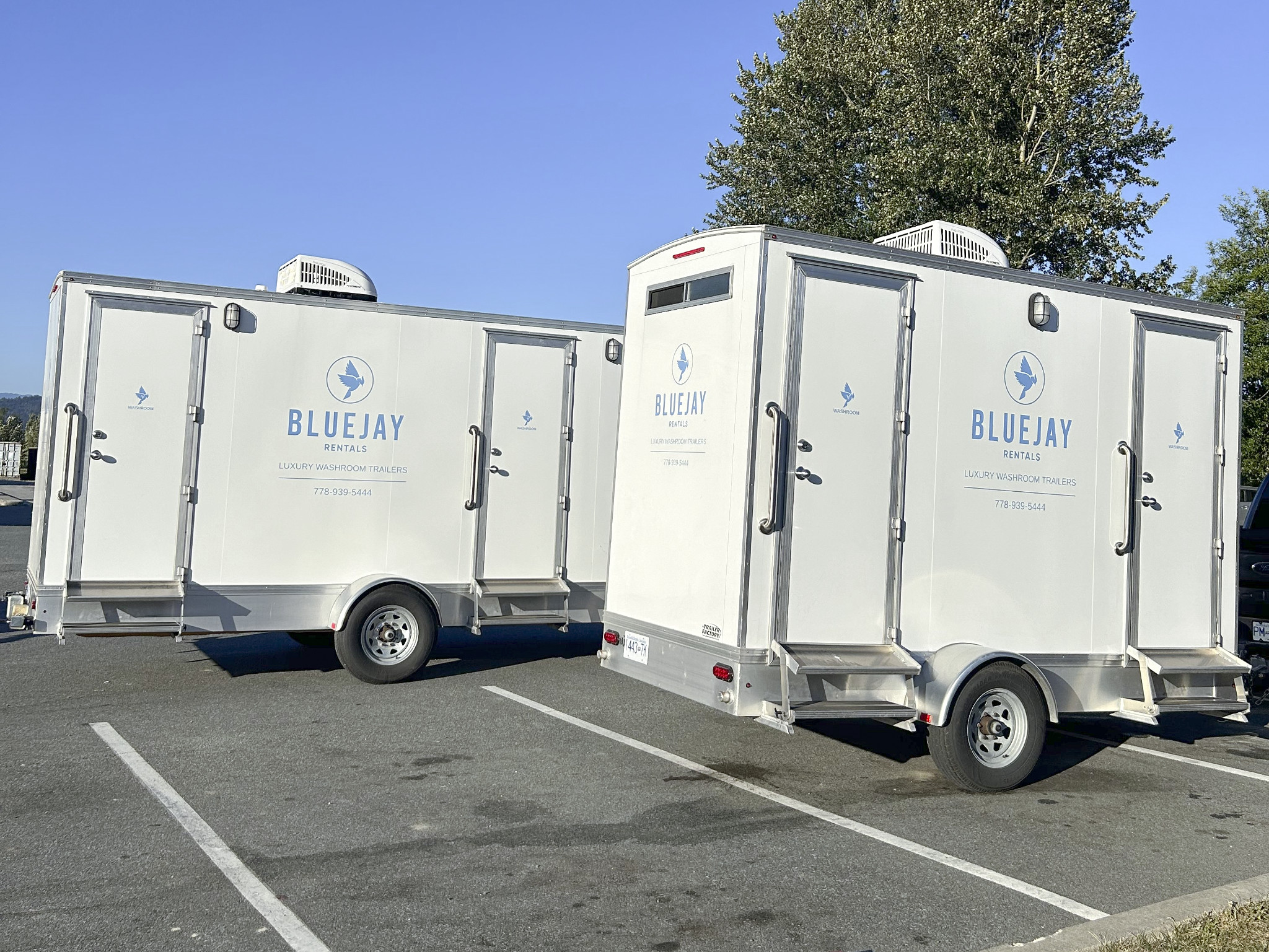
At Bluejay Rentals, our team helps you select the ideal unit based on your guest count, event duration, and site requirements, so you can provide clean, dependable facilities without the guesswork. Contact us today and let us help you find the perfect restroom trailer for your next event.